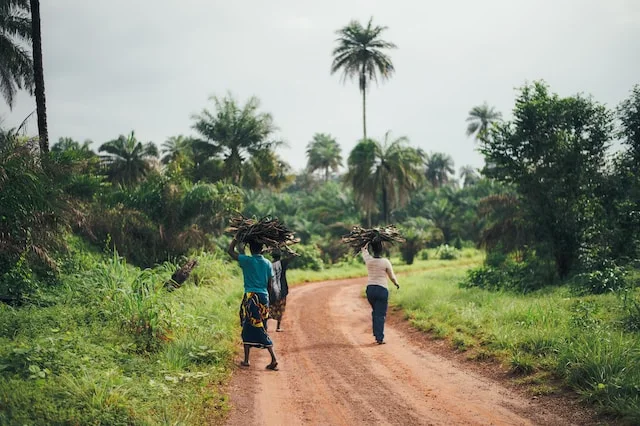

In the heart of Southern Africa lies Zambia, a nation rich in resources and culture yet grappling with persistent challenges of poverty and inequality. Amid these struggles, the Social Cash Transfer (SCT) programme emerges as a beacon of hope, a lifeline for the most vulnerable populations and a strategic driver of economic development.
The SCT programme, implemented by the Zambian government with support from international organisations like UNICEF and the World Bank, provides direct financial assistance to low-income households. This simple yet transformative initiative addresses both immediate needs and long-term development goals, weaving a safety net that fosters resilience and growth across communities.
Breaking the Chains of Poverty
At its core, the SCT programme is a powerful weapon against poverty. According to Zambia’s Ministry of Community Development and Social Services, over 900,000 households were reached by the programme in 2023, marking a significant expansion in coverage. These cash transfers, often modest in amount, make a profound difference.
For families living on less than $1.90 a day, the international poverty line, the funds provide critical support for basic necessities such as food, shelter, and clothing. Evidence from studies conducted by UNICEF shows that households receiving SCT funds experience a 30% reduction in food insecurity, underscoring the programme’s role in lifting families out of extreme poverty.
Investing in Human Capital
The SCT programme does more than address immediate needs, it builds a foundation for future generations by enhancing access to education and healthcare. Reports from the Zambia Social Protection Unit reveal that children in beneficiary households are 20% more likely to attend school and complete their education.
Take the case of Mary, a single mother in Eastern Province, whose children struggled to stay in school due to lack of funds for uniforms and supplies. With SCT support, Mary has not only managed to keep her children in school but also accessed preventive healthcare for her family. This ripple effect improves human capital, creating healthier, more educated citizens who can contribute meaningfully to the nation’s economy.
Empowering Women, Strengthening Communities
One of the most transformative aspects of the SCT programme is its focus on women as primary recipients. By prioritising women, the programme fosters gender equality and enhances women’s decision-making power within households.
In communities like Mongu, women use SCT funds to start small businesses, ranging from vegetable stands to tailoring shops. According to a 2022 UNDP report, these enterprises not only provide a stable income but also stimulate local economies by creating jobs and increasing demand for goods and services.
Catalysing Local Economies
The impact of SCTs extends beyond individual households, rippling through local economies. As recipients spend their cash on essentials, they inject money into local markets, fuelling demand for goods and services. This economic activity, in turn, stimulates growth in small and medium enterprises (SMEs), which form the backbone of Zambia’s economy.
For instance, a study by the International Labour Organisation highlighted that every dollar disbursed through SCT programmes generates an additional $1.34 in local economic activity. This multiplier effect is a testament to the programme’s ability to create economic vibrancy at the grassroots level.
Resilience in the Face of Adversity
In a country frequently affected by external shocks such as droughts, floods, and global economic fluctuations, the SCT programme provides a vital safety net. During the 2020 COVID-19 pandemic, for example, the government expanded cash transfer coverage to mitigate the economic fallout.
Households receiving SCT support were better able to cope with disruptions in income and rising food prices, demonstrating how the programme enhances resilience and stability during crises.
Fostering Social Stability and Cohesion
Extreme poverty and inequality are often precursors to social unrest. By addressing these issues, the SCT programme contributes to a more stable and harmonious society. With reduced economic strain, families experience less stress, and communities benefit from greater social cohesion.
A Path Forward for Economic Development
As Zambia seeks to diversify its economy and reduce its dependence on mining, initiatives like the SCT programme play an essential role in fostering inclusive growth. By empowering vulnerable populations, the programme not only addresses social inequalities but also unlocks economic potential.
According to World Bank projections, if Zambia continues to scale up its SCT programme, it could reduce the national poverty rate by up to 10% by 2030, aligning with the UN Sustainable Development Goals.
An Invitation to Build a Better Future
The Social Cash Transfer programme is more than just a government initiative; it is a testament to Zambia’s commitment to its people. By addressing immediate needs, investing in human capital, and fostering economic growth, SCTs are helping to write a new chapter of hope and progress.
For individuals and organisations interested in social protection, this programme offers a model worth supporting and expanding. Together, we can help build a Zambia where every citizen has the opportunity to thrive.
Learn More and Get Involved:
Visit Master Chimbala’s Social Protection Page to explore how social protection initiatives are transforming lives in Zambia and beyond.