When I first ventured into the realm of gender advocacy, I didn’t have a grand plan or a clear strategy laid out. It felt more like a calling that found me, driven by the stories I encountered and the injustices I couldn’t ignore. These were stories of women resilient, courageous, and determined fighting battles that should never have existed in the first place. Their voices resonated with me, compelling me to step up and become a part of the movement for gender equity.
At the core of this journey is the understanding that equity goes beyond equality. While equality aims to provide everyone with the same resources, equity takes into account the different starting points and challenges that women face. It’s about fairness and ensuring that women have what they need to succeed, given the unique obstacles they encounter. This distinction has shaped my approach, as I’ve worked to not just level the playing field but to elevate those who have been pushed down for far too long.
Understanding the Landscape
My first step was to immerse myself in the complexities of the landscape. I needed to understand the systemic barriers that held women back whether in education, employment, or healthcare. This meant engaging directly with communities, hearing from women whose lives were shaped by these inequalities, and gaining insights into the specific challenges they faced.
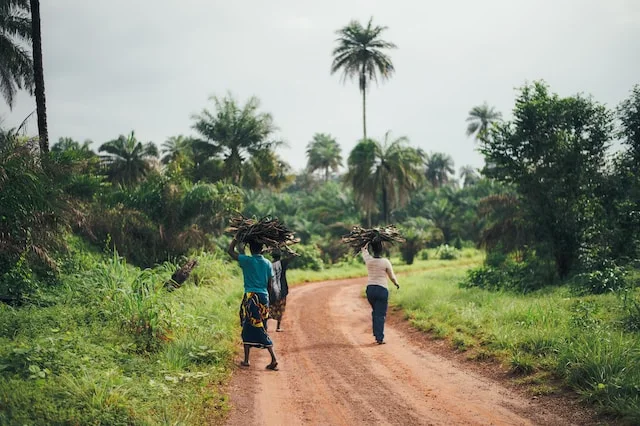
In rural areas, I met girls who had to abandon school to help with household duties. In corporate settings, I encountered women whose careers stalled beneath the glass ceiling. Each story was a testament to the pervasive nature of gender disparities, and each one fuelled my resolve to find solutions that addressed these issues at their roots.
Empowering Through Education
Education became one of the pillars of my advocacy. I’ve always believed in the transformative power of education, not just as a tool for personal development but as a catalyst for societal change. My work involved more than just getting girls into classrooms; it was about creating environments where they could flourish, where their voices were valued, and their dreams were nurtured.
I supported programs that provided scholarships, mentorship, and safe spaces for learning. Watching girls grow into confident, capable women who could break the cycle of poverty and discrimination was one of the most rewarding aspects of my work.
Promoting Economic Opportunities
Economic empowerment was another crucial front. I knew that for women to achieve true equity, they needed the same economic opportunities as men. My efforts included advocating for policies that supported women entrepreneurs, ensuring fair wages, and pushing for maternity leave and other workplace rights.
Helping women gain the skills and resources to start their own businesses or ascend to leadership roles wasn’t just about economic independence it was about giving them the power to shape their destinies and contribute fully to society.
Challenging Cultural Norms
One of the toughest challenges was addressing deeply ingrained cultural norms and stereotypes. In many of the communities I worked with, traditional roles for women were rigid and limiting. Changing these perceptions required a sensitive, yet determined approach.
Through dialogues, media campaigns, and storytelling, I aimed to show the benefits of gender equity, not just for women, but for everyone. I shared stories of communities that thrived when women were given equal footing, painting a picture of a future where everyone could succeed.
Building Alliances
None of this work could be done in isolation. Building alliances was essential. I partnered with governments, civil society groups, the private sector, and international organisations, knowing that a collective effort would have a greater impact.
These collaborations allowed us to expand successful initiatives, create more inclusive policies, and build a united front against gender inequality. Together, we became stronger advocates for change.
A Continuous Journey
The journey toward gender equity is ongoing, marked by both victories and setbacks. It requires patience, resilience, and a steadfast commitment to justice. Along the way, I’ve learnt that every small step forward contributes to the larger goal of an equitable world.
This pursuit isn’t just about improving the lives of women; it’s about creating a society that benefits everyone. When women succeed, communities thrive. As I continue this journey, I remain hopeful that with each effort, we move closer to a future where gender equity is not just a goal but a reality we all share.