A photographer’s muse is often a way of paying closer attention. It may be a person, an ordinary street, changing light or a question that keeps returning. Inspiration becomes useful when it leads to looking, practising and making decisions rather than waiting indefinitely for a perfect moment.
Develop a habit of noticing. Keep notes about scenes, colours, gestures and conversations that suggest an image. Return to a familiar place at another time or look at a subject from a different distance. Repetition can reveal details that the first encounter missed, giving a photographer material that is personal without needing to be spectacular.
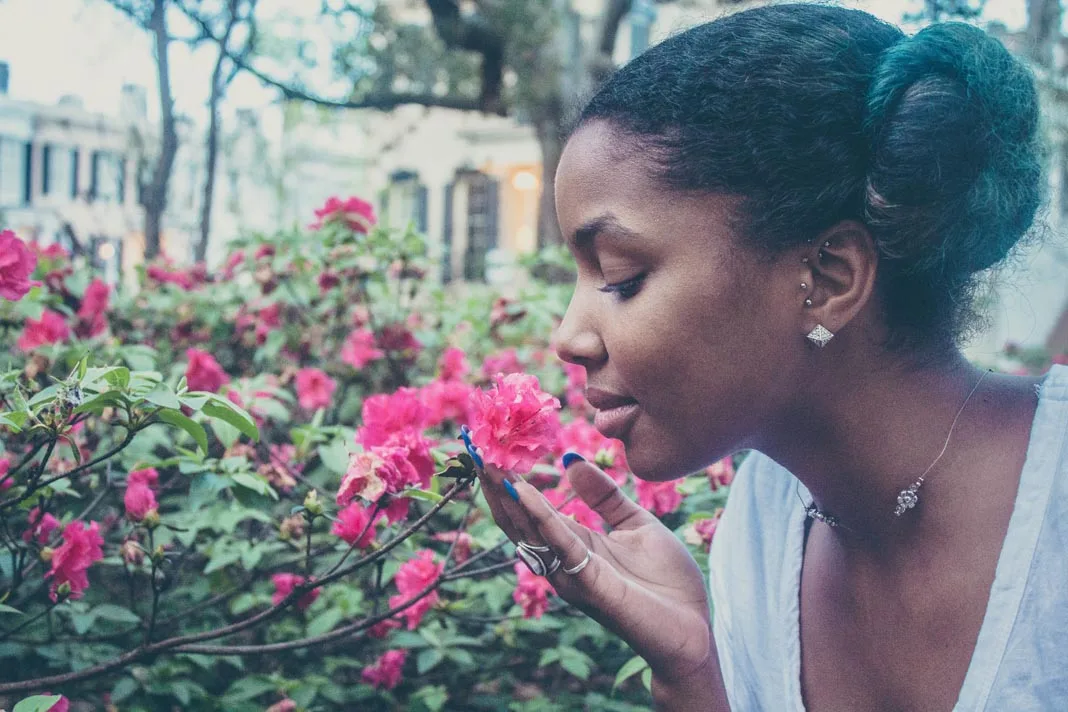
People are collaborators, not props. Discuss the purpose of a portrait, obtain appropriate permission and explain how the image may be used. Respect a person’s boundaries, especially where their circumstances are sensitive. The relationship behind a photograph can shape its quality as much as the equipment used to make it.
Other creative work can open new questions. Reading, music, painting and thoughtful observation may suggest rhythm, composition or contrast. Learn from another artist’s approach without reproducing their image and presenting it as your own. Influence is most valuable when it helps develop an independent way of seeing.
The title’s promise of inspiration does not depend on a hidden formula from a famous artist. It points to a practice anyone can develop: attention, experimentation and reflection. A muse may start an idea, but the work of making the photograph belongs to the person willing to keep looking.