
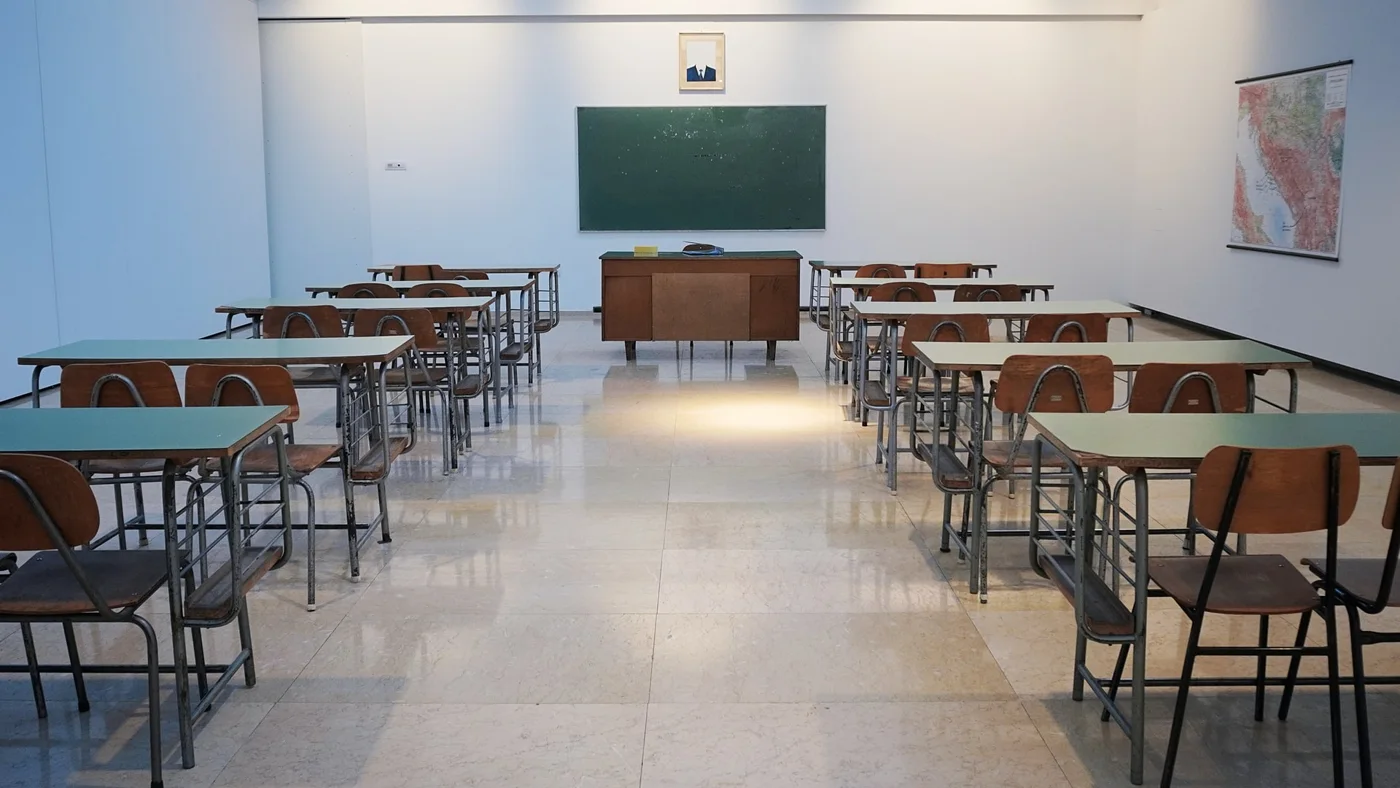
The classrooms of the 21st century are facing a transformation unlike anything we’ve seen before. What worked for past generations no longer addresses the realities of a fast-changing world. As technology reshapes industries, global challenges demand creative solutions, and individual learning needs grow more diverse, education must evolve to prepare students for a future that is both exciting and unpredictable.
Modernising education is not just about introducing new technologies into classrooms, it’s about rethinking how we teach, what we teach, and why we teach. At its core, the goal is to create an education system that equips students with the skills, knowledge, and adaptability they need to thrive in a dynamic world.
A key part of this modernisation is shifting the focus from rote memorisation to fostering critical thinking, creativity, and problem-solving. Traditional teaching methods, where students passively absorb information from textbooks and lectures, are being replaced by active learning models. These approaches encourage students to question, explore, and apply their knowledge in real-world contexts. By introducing project-based learning, for example, students work on solving practical problems, often collaborating in teams, which mirrors the demands of the modern workplace.
Another crucial aspect of modernising education is leveraging technology not just as a tool but as a transformative force. Virtual reality can transport students to historical events or inside the human body. Artificial intelligence can personalise learning experiences, adapting content to each student’s pace and interests. Online platforms break down geographical barriers, connecting students to global resources and experts. However, while technology is an enabler, it’s not the end goal. It must serve to enhance learning outcomes, not simply replace traditional methods.
Inclusivity is also at the heart of modern education. The notion of a universal approach is antiquated and inefficient. Every learner is unique, with different strengths, challenges, and ways of understanding the world. Modern education systems must embrace diversity, offering flexible pathways for students to excel. This includes integrating vocational training, arts education, and STEM programs to give students a wide array of opportunities. Schools and institutions must also ensure that education is accessible to all, regardless of socioeconomic status, disability, or location.
The role of teachers is evolving as well. In a modernised education system, teachers are no longer just instructors but mentors and facilitators of learning. They guide students in developing the soft skills needed for the 21st century, such as communication, emotional intelligence, and teamwork. This shift requires ongoing professional development for educators to stay updated with new teaching techniques, tools, and the changing needs of their students.
Modernising education also means aligning it with the future of work. Automation, artificial intelligence, and the gig economy are redefining careers, making lifelong learning essential. Instead of focusing solely on academic content, schools must teach skills that are transferable across industries, such as adaptability, digital literacy, and collaboration. Entrepreneurial thinking, for instance, should be encouraged, as it equips students to innovate and create opportunities for themselves in uncertain times.
Community involvement is another pillar of a modern education system. Education is not confined to the walls of a classroom; it extends into homes, neighbourhoods, and industries. Schools must collaborate with parents, businesses, and local organisations to create a holistic learning environment. Internships, mentorship programs, and community projects can give students firsthand experience of how their learning connects to the world around them.
Of course, modernising education requires significant investment and commitment from policymakers. Governments must prioritise education reform, ensuring that schools have the resources they need to innovate. Funding for infrastructure, teacher training, and curriculum development is essential, but so is the willingness to experiment and embrace change. Countries that lead in modernising their education systems will be better equipped to compete on the global stage and address pressing societal challenges.
At the heart of modern education is the belief that learning should be a lifelong journey, not a finite process. It’s about instilling curiosity, resilience, and a love for discovery that carries individuals through every stage of life. Modern education doesn’t just prepare students for exams; it prepares them for life.
The task of modernising education is immense, but the rewards are equally significant. A system that nurtures the potential of every learner can transform societies, reduce inequality, and create a generation of innovators, problem-solvers, and compassionate leaders. The future is already here, and the way we educate today will define the world we live in tomorrow.