
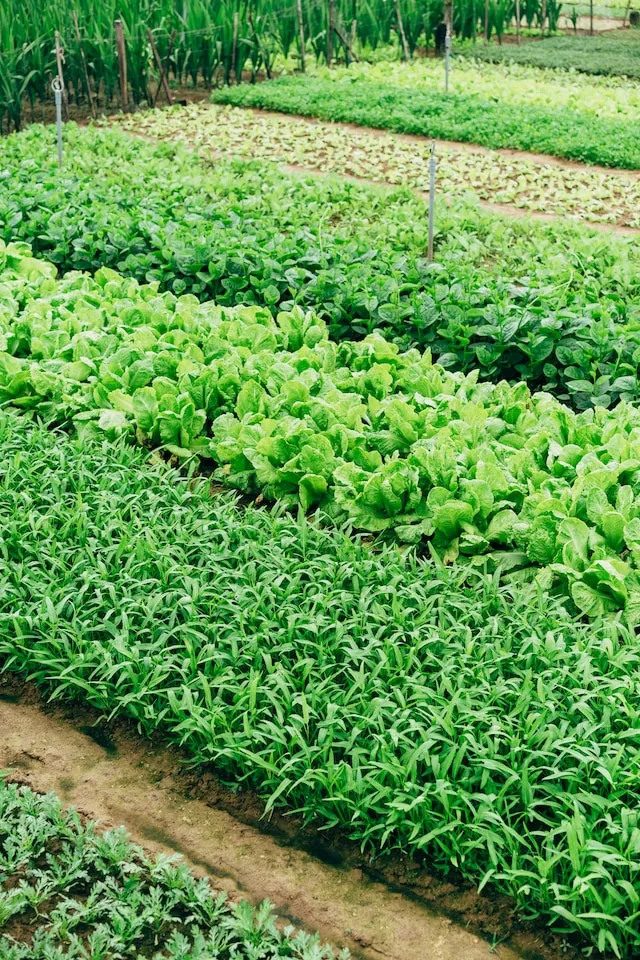
Agriculture makes a difference when its success is visible beyond a harvest total. Can a household obtain varied food? Can a grower cover costs and prepare for the next season? Can produce reach a buyer without excessive loss? These questions connect the work of farming to livelihoods, nutrition and the quality of everyday life.
Leadership in that system is shared. Farmers bring local knowledge and experience of the land. Researchers and extension workers can help investigate practical problems. Buyers, processors and transporters influence whether a crop becomes an income, while public institutions shape the services and infrastructure on which the whole chain depends. No single participant can carry the system alone.
An effective leader listens to the people doing the work. A promising idea may fail if it overlooks water access, storage, transport or the time available to a household. Trialling a change on a manageable scale can reveal what works before resources are committed more widely. Recording both costs and results makes learning more useful than relying only on a success story.
Young people also need realistic routes into agricultural enterprise. Growing food is one possibility, but services around processing, distribution, equipment maintenance and market information can matter too. Training should be connected to actual demand rather than treating every idea as an automatic business opportunity.
If agriculture is making a difference, who is leading? The answer should be found in accountable partnerships and practical results. Leadership deserves recognition when it helps people solve problems, share knowledge and sustain a livelihood. A field of green plants is a beginning; a stronger food system is the larger ambition.