
The pulsing beat of music, flashing lights, and energy-filled crowds make nightclubs a magnet for young people seeking fun, connection, and a break from the mundane. For many, these spaces are about letting loose, exploring social boundaries, and celebrating youth. Yet, beneath the vibrant exterior lies a darker reality, one where overindulgence, impaired judgement, and risky behaviours converge to create challenges with long-lasting consequences.
Youthful exuberance, a hallmark of late teens and early twenties, often propels individuals into nightclubs with a hunger for novelty and adventure. However, the high-energy environment, coupled with peer pressure, can amplify behaviours that might otherwise be restrained. The desire to fit in or impress can lead young people down a precarious path where reckless decisions overshadow their better judgement.
Alcohol, often seen as a social lubricant, plays a significant role in this scenario. The ease of access to alcohol in nightlife settings makes excessive consumption all too common. For many young people, “just one drink” turns into many, clouding their judgement and pushing them toward impulsive choices. This loss of control can manifest in aggressive behaviour, unsafe practices, and, alarmingly, poor decisions in sexual encounters.
Alcohol and Its Ripple Effect on Sexual Health
Among the most concerning consequences of excessive drinking is its link to risky sexual behavior. Impaired judgement from alcohol often leads young people to disregard the importance of safe sex practices. In Zambia, this pattern contributes to a rising incidence of new HIV infections among adolescents and young adults. The fleeting thrill of a nightclub encounter may leave behind lifelong challenges, underscoring the need for awareness and prevention.
Tobacco is a Silent Enabler of Youth Misbehaviour
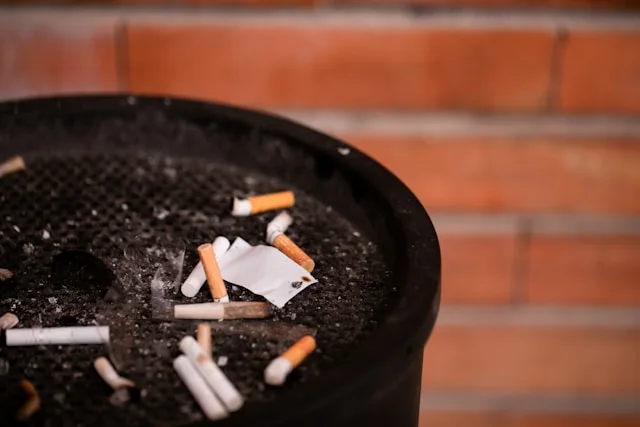
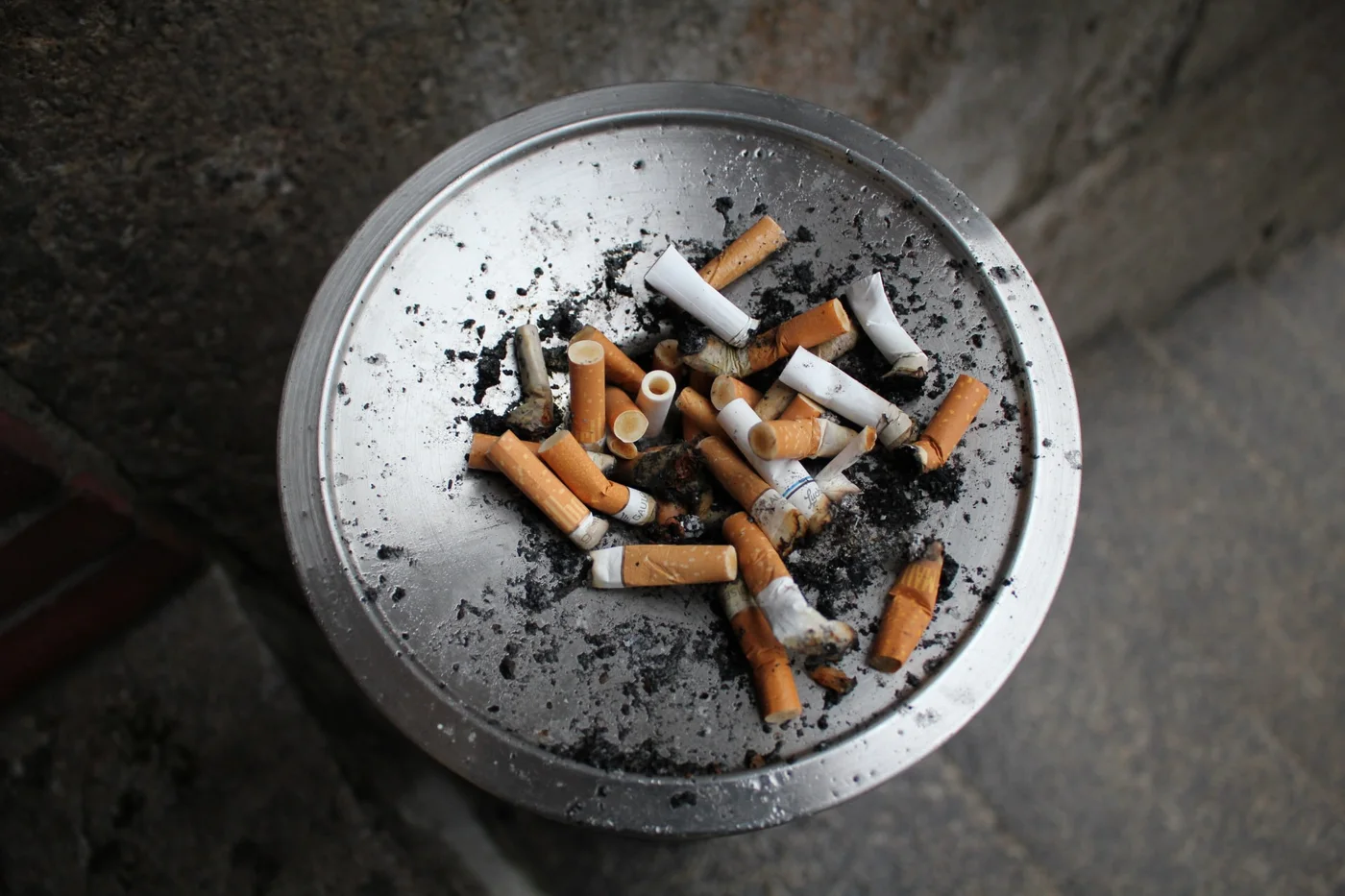
Adding to the cocktail of risks is the consumption of tobacco products, often glamorised and readily available in nightlife settings. In Zambia, the lack of robust tobacco control legislation exacerbates this problem. Young people are increasingly exposed to and influenced by diverse tobacco products, from cigarettes to e-cigarettes and shisha, often under the illusion that these substances enhance the nightclub experience.
The use of tobacco not only poses severe health risks but also creates a culture where substance abuse becomes normalized. The absence of legal frameworks to restrict the marketing and sale of tobacco products to minors compounds the problem, leaving young people vulnerable to addiction and its cascading effects on health and behaviour.
The Role of Nightclub Culture and Anonymity
Nightclubs,with their dim lighting and loud music, often create a sense of detachment from reality. This anonymity emboldens some to act without considering consequences. The blend of alcohol, tobacco, and an unrestrained atmosphere fosters an environment where overexcitement quickly spirals into misbehavior. From brawls fuelled by intoxication to risky choices behind the wheel, the fallout from a single night can be devastating.
Talent. Exploration. Adventures.
Mindfulness. Character.
Desire. Change. Plan. Succeed.
Charting a Path Toward Responsible Behaviour
Despite these risks, not all young people misuse the freedom nightclubs offer. Many navigate these spaces responsibly, finding joy in the music and camaraderie without crossing boundaries. However, the challenges faced in nightlife settings point to a critical need for intervention.
Education plays a pivotal role in equipping young people with the knowledge to make informed choices. Campaigns on responsible drinking, the dangers of tobacco, and the importance of safe sexual practices can help mitigate risks. Policy measures, such as stringent alcohol and tobacco control laws, are equally vital. By restricting access to these substances and holding establishments accountable, a safer environment can be cultivated.
The Call for Legislation in Zambia
In Zambia, the absence of a comprehensive tobacco control law continues to fuel unhealthy behaviours among youths. Enacting such legislation is a necessary step to curbing the influence of tobacco products in social settings. Coupled with efforts to regulate alcohol sales and consumption, these measures could significantly reduce the prevalence of risky behaviours in nightlife environments.
As the music fades and the lights dim, the reality of the nightclub culture emerges, a space of joy and connection that also carries inherent risks. By embracing education, enforcing policies, and fostering individual accountability, Zambia can help its youth balance the thrill of the night with the wisdom of restraint, ensuring that exuberance doesn’t lead to regret.