
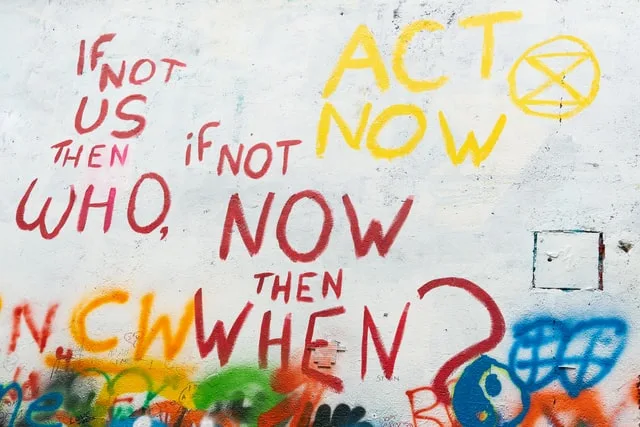
Climate change has become one of the defining challenges of our era. Fuelled by the unchecked release of greenhouse gases such as carbon dioxide, its effects ripple across the globe, manifesting in rising sea levels, intensifying storms, unpredictable precipitation patterns, and shrinking biodiversity. The evidence is irrefutable: the planet is warming, and the time for action is now.
While the scale of the problem can feel overwhelming, meaningful change is within reach. Every individual, community, and government has a role to play in combating climate change. From reducing carbon emissions to supporting sustainable consumption, there are actionable steps that, when collectively embraced, can slow down climate change and create a more sustainable future.
1. Reduce Carbon Emissions: The Power of Clean Energy
The primary driver of climate change is the excessive release of greenhouse gases into the atmosphere. Transitioning to cleaner, renewable energy sources such as solar, wind, and hydropower is one of the most effective ways to combat this. By shifting from fossil fuels to renewable energy, households, businesses, and governments can significantly cut their carbon footprints.
Additionally, increasing energy efficiency, by using energy-efficient appliances, switching to LED lights, and insulating homes, further reduces the demand for energy, cutting emissions while saving money. As technology advances, options like electric vehicles and smart home systems offer further opportunities to minimise environmental impact.
2. Planting Trees: Nature’s Carbon Sink
Forests are nature’s frontline defence against climate change. Trees absorb carbon dioxide, storing it in their biomass and helping to regulate the Earth’s temperature. Planting trees not only offsets emissions but also provides habitat for biodiversity, stabilises soil, and improves air and water quality.
For communities, especially in developing regions, tree planting offers livelihood opportunities through agroforestry and sustainable forestry practices. Global reforestation initiatives, like the “Our Billion Trees” campaign, highlight the potential of collective action in restoring degraded ecosystems and combating climate change.
3. Conserve Water: A Resource Under Pressure
Water scarcity is becoming an ever-growing concern as climate change disrupts traditional water cycles. Conserving water not only ensures availability for future generations but also reduces energy use associated with water treatment and distribution, thereby cutting emissions.
Simple actions, fixing leaks, installing low-flow faucets, using water-efficient appliances, and collecting rainwater, can collectively have a profound impact. Agriculture, as the largest consumer of freshwater globally, can adopt climate-smart irrigation techniques to reduce water wastage and improve resilience.
4. Support Climate-Friendly Policies: Amplify Impact
Governments play a critical role in shaping the response to climate change. Policies that promote renewable energy, carbon pricing, green infrastructure, and sustainable urban planning can drive systemic change. Supporting climate-friendly legislation, whether by voting for environmentally conscious leaders, signing petitions, or participating in advocacy campaigns, magnifies individual efforts into nationwide action.
In Zambia, for instance, advocacy for climate-sensitive budgeting and policies to mitigate drought impacts has shown how targeted governance can address the challenges posed by a warming climate.
5. Educate and Raise Awareness: Inspire Action
The fight against climate change begins with understanding the issue. By educating ourselves and others about its causes and consequences, we create a culture of awareness and responsibility. Community workshops, school programs, and social media campaigns are powerful tools to spread knowledge and inspire action.
Encouraging young people to engage with environmental issues ensures a new generation of climate leaders ready to carry the baton forward. Stories of climate resilience and innovation can spark hope and motivate collective participation.
6. Support Sustainable Consumption: Rethink Choices
Every product we buy, from food to clothing, has a carbon footprint. Supporting sustainable consumption means choosing products that are ethically produced, locally sourced, and designed to minimise environmental harm.
For example:
Opt for reusable items over single-use plastics.
Choose plant-based meals to reduce the emissions associated with meat production.
Repair and recycle products instead of discarding them.
By rethinking consumption patterns, we reduce emissions linked to production, transportation, and waste.
A Collective Responsibility
The battle against climate change is complex and requires coordinated efforts from individuals, governments, and organizations. While the problem is global, the solutions often start locally, with choices we make in our daily lives.
By reducing carbon emissions, planting trees, conserving water, advocating for climate-friendly policies, educating others, and supporting sustainable consumption, we can each contribute to slowing the tide of climate change. Together, these actions form the building blocks of a sustainable future, one where the planet’s resources are preserved for generations to come.
Join the Movement
Take a step toward a greener future today. Join initiatives like the “Our Billion Trees” campaign at ourbilliontrees.com and be part of the solution to protect our planet.